Found this at the grocery store. I, um, guess that answers the question of what coffee to serve with Death By Chocolate cake.
🤷♂️
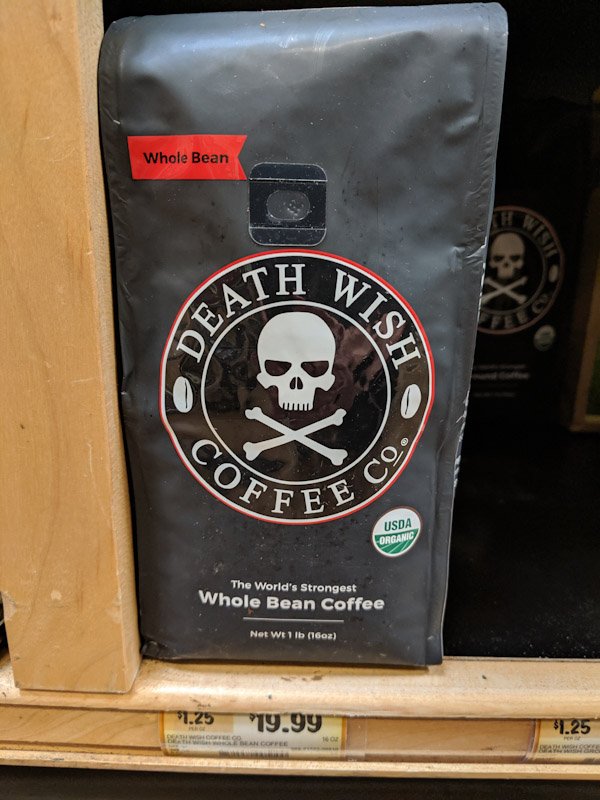
Found this at the grocery store. I, um, guess that answers the question of what coffee to serve with Death By Chocolate cake.
🤷♂️
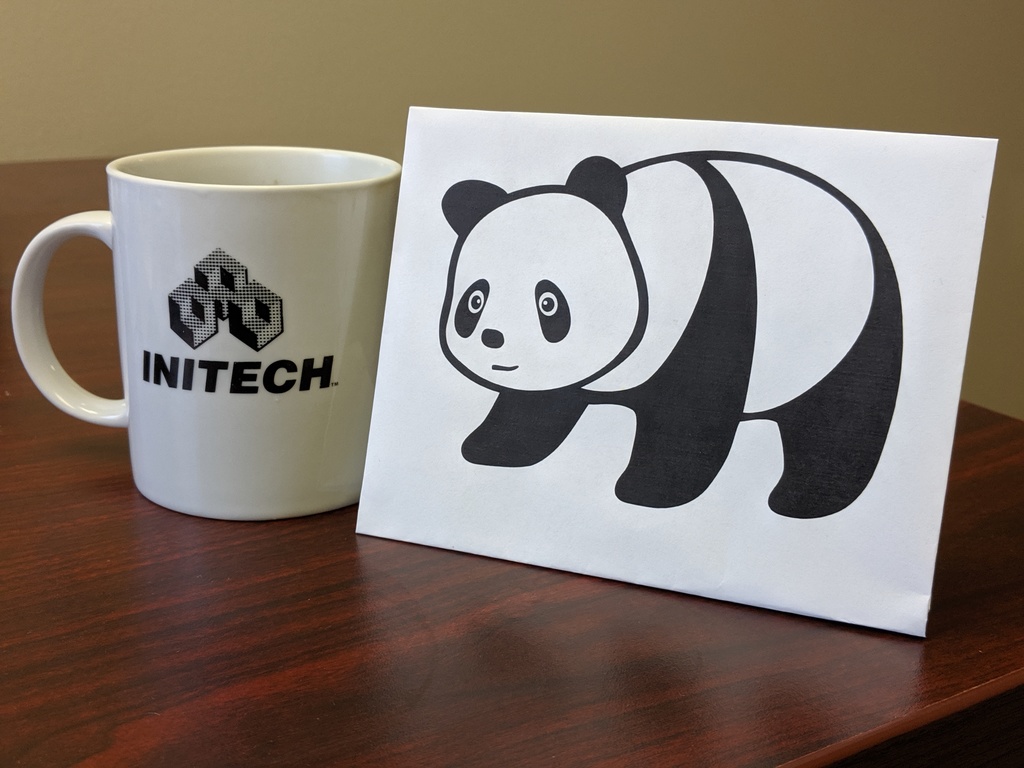
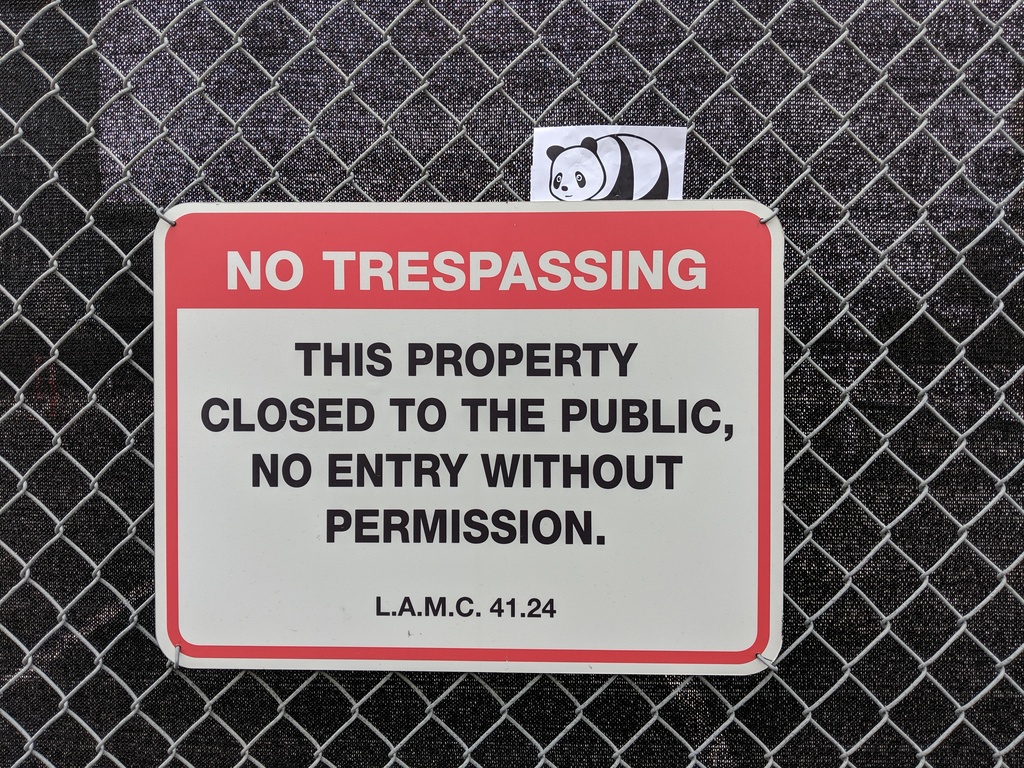
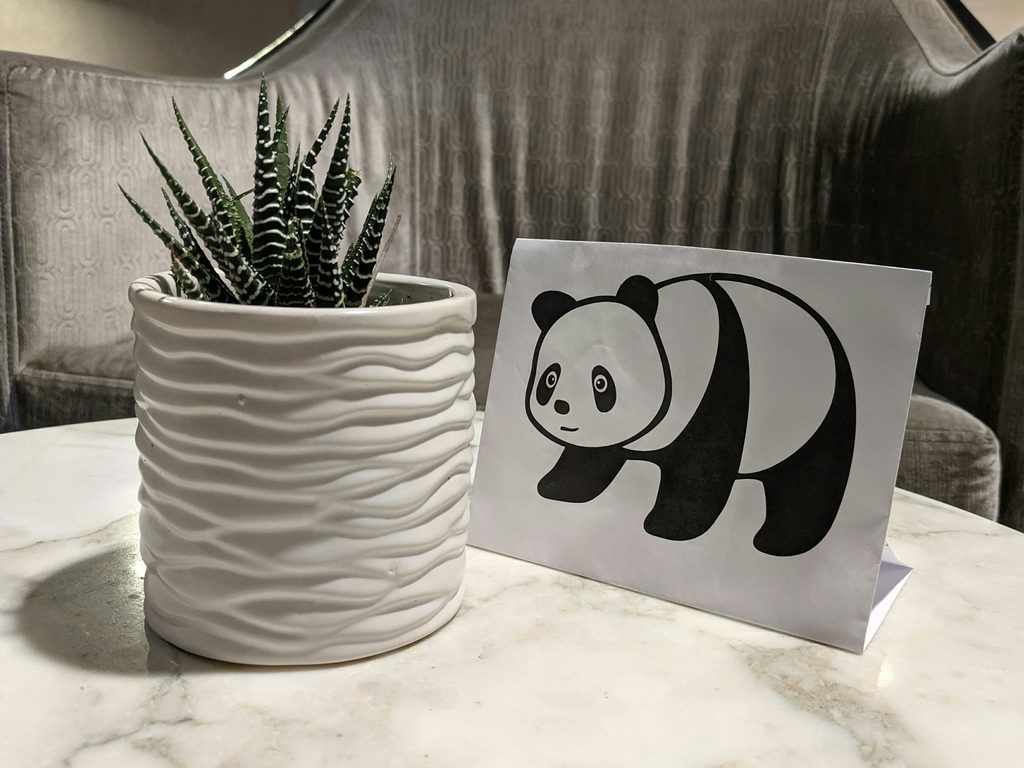
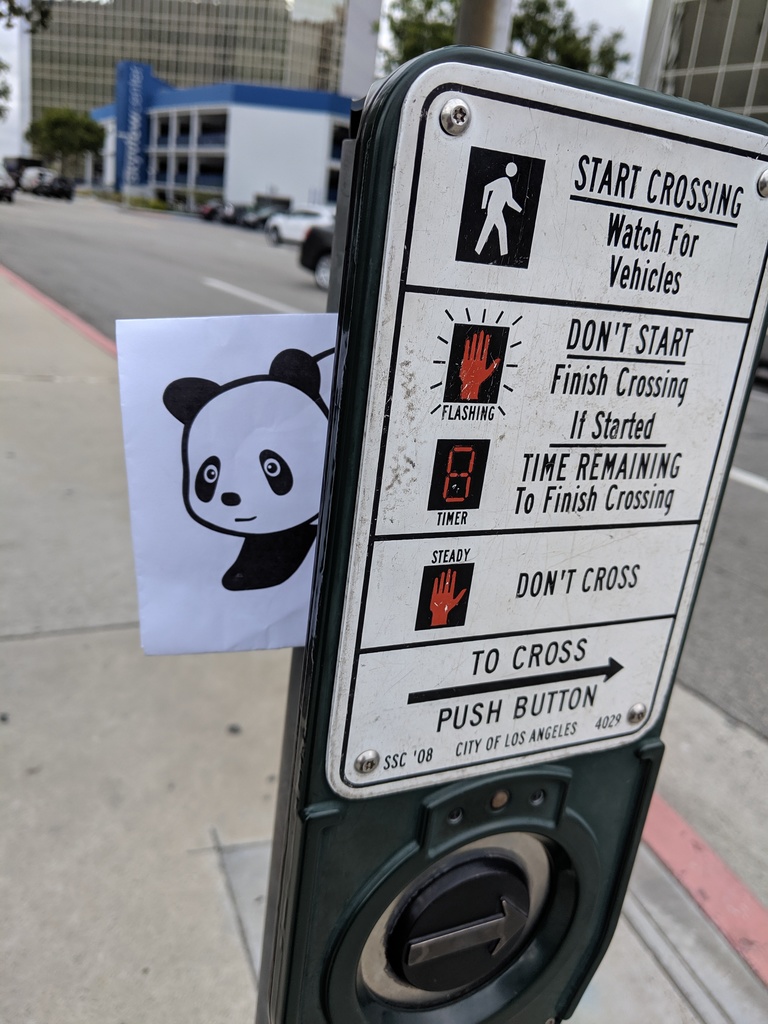
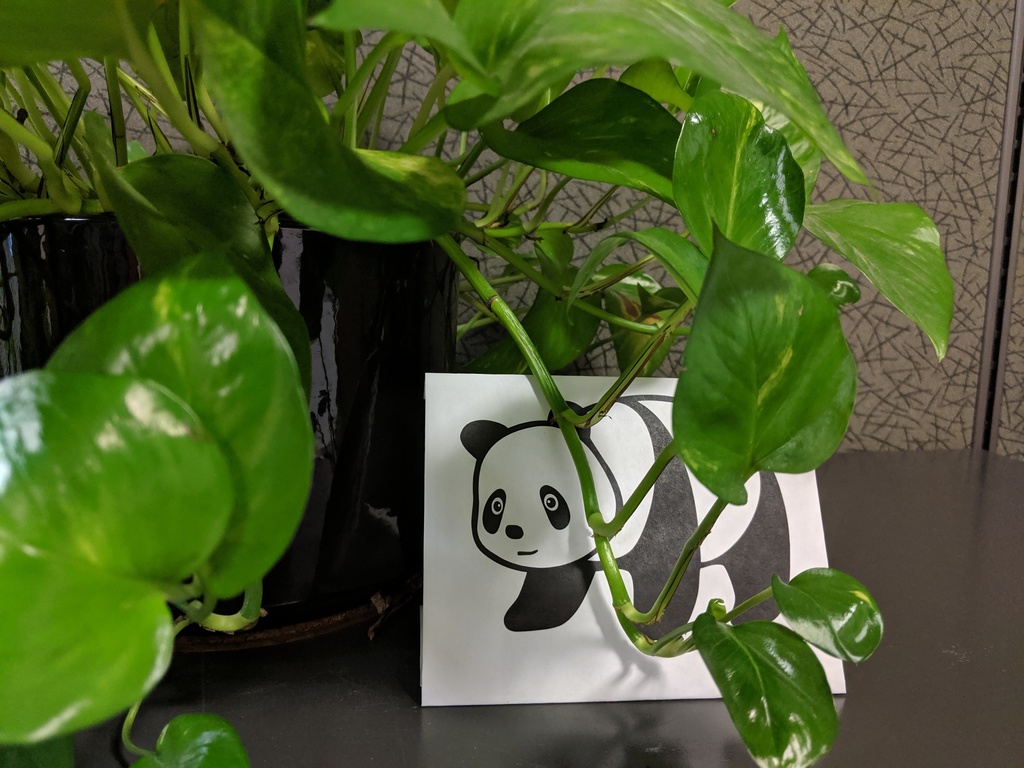
Flickr has spent the last day offline, moving the rest of their services out of Yahoo’s datacenters. But to keep people involved, they’re holding a Good Panda Photo Contest where you print out the panda from the “Down For Maintenance” page and take a photo of it off having some adventure.
I went a little overboard with getting the panda into whimsical situations! 🙂
I plan on posting the one with the coffee mug as my entry once uploads are working again, but I may post a full album of the panda’s adventures!
Update: Flickr seems to be stable again! And entries aren’t limited to just one photo. Here’s the Flickr version of this gallery, and here’s the official contest group where everyone is sharing their Panda adventures.
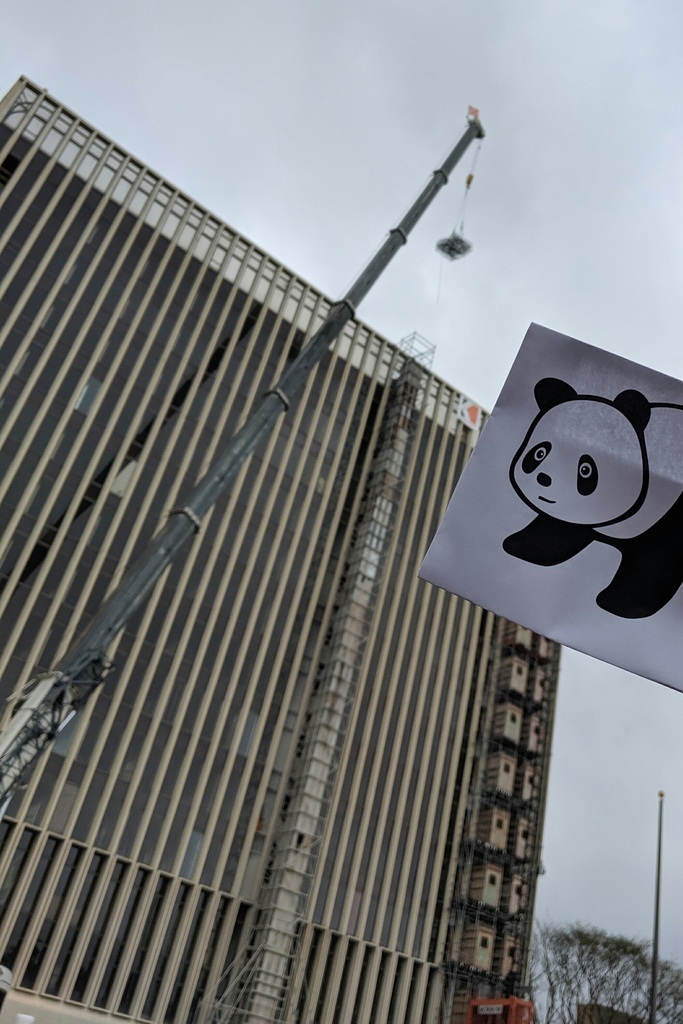
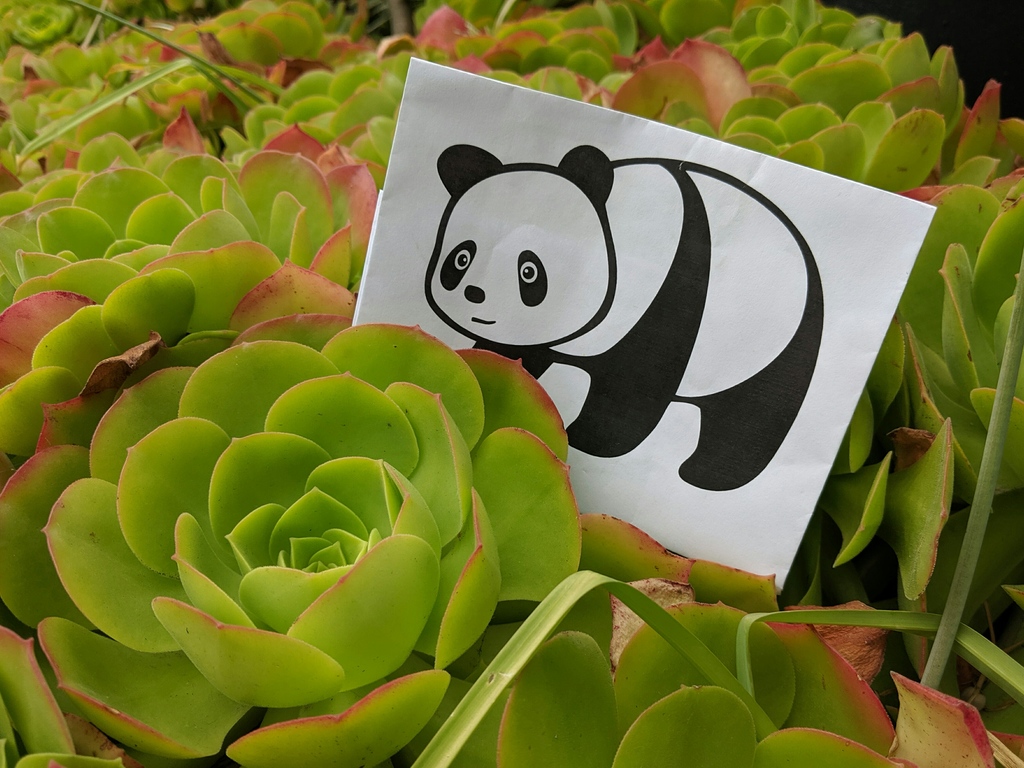
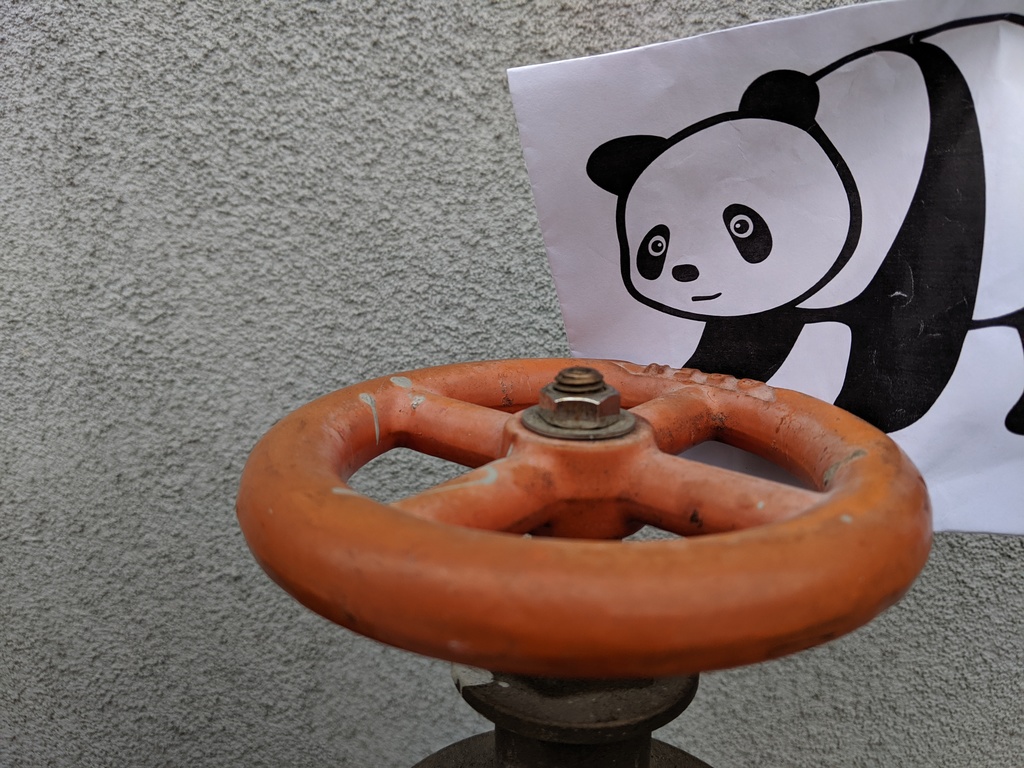
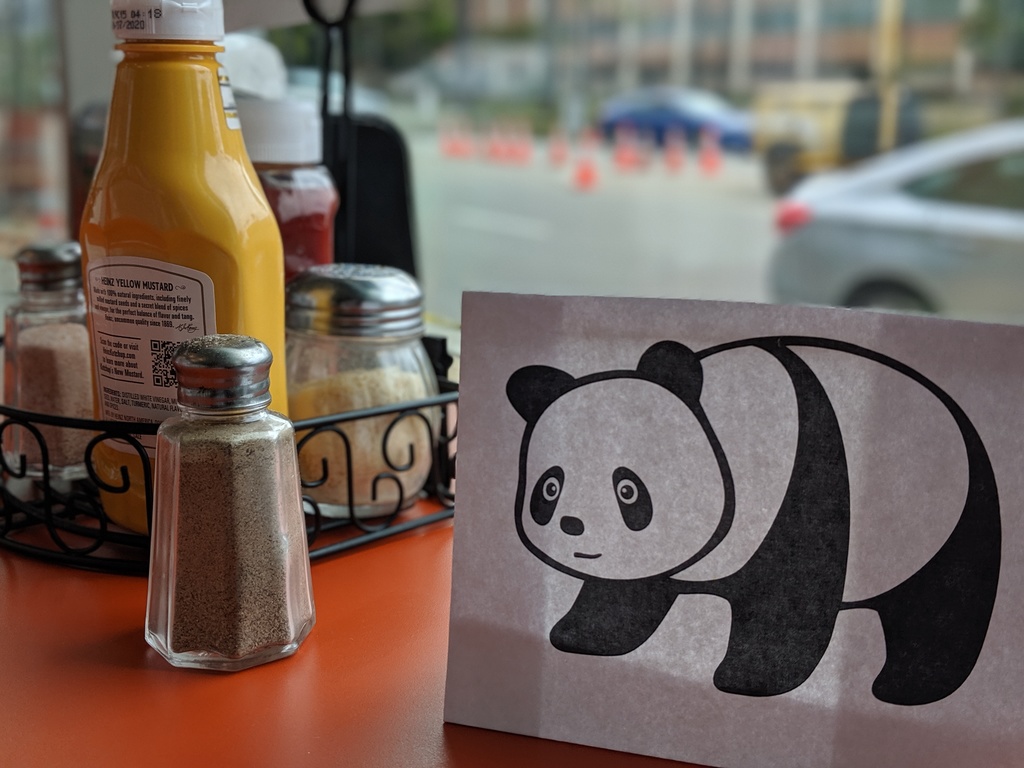
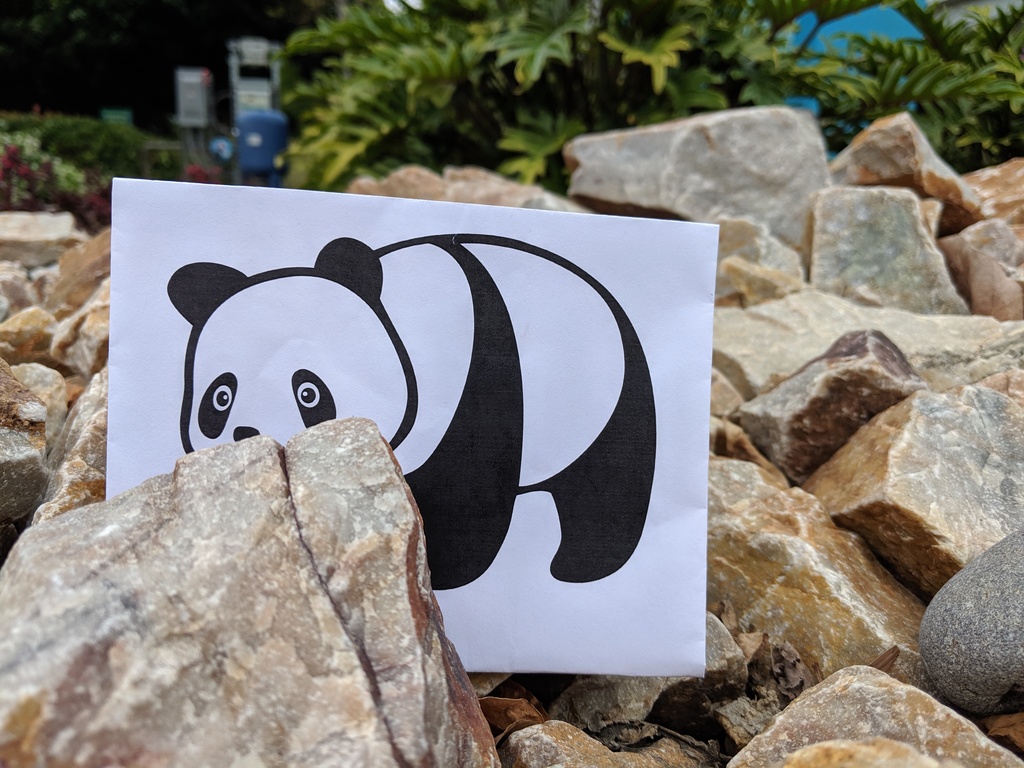
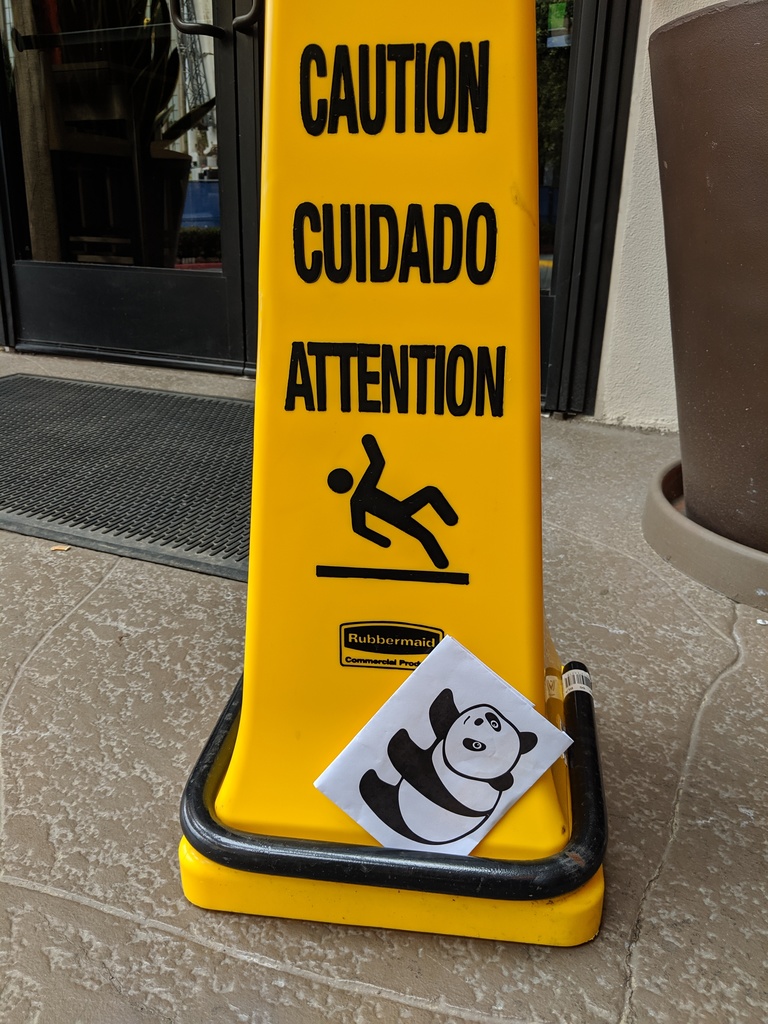
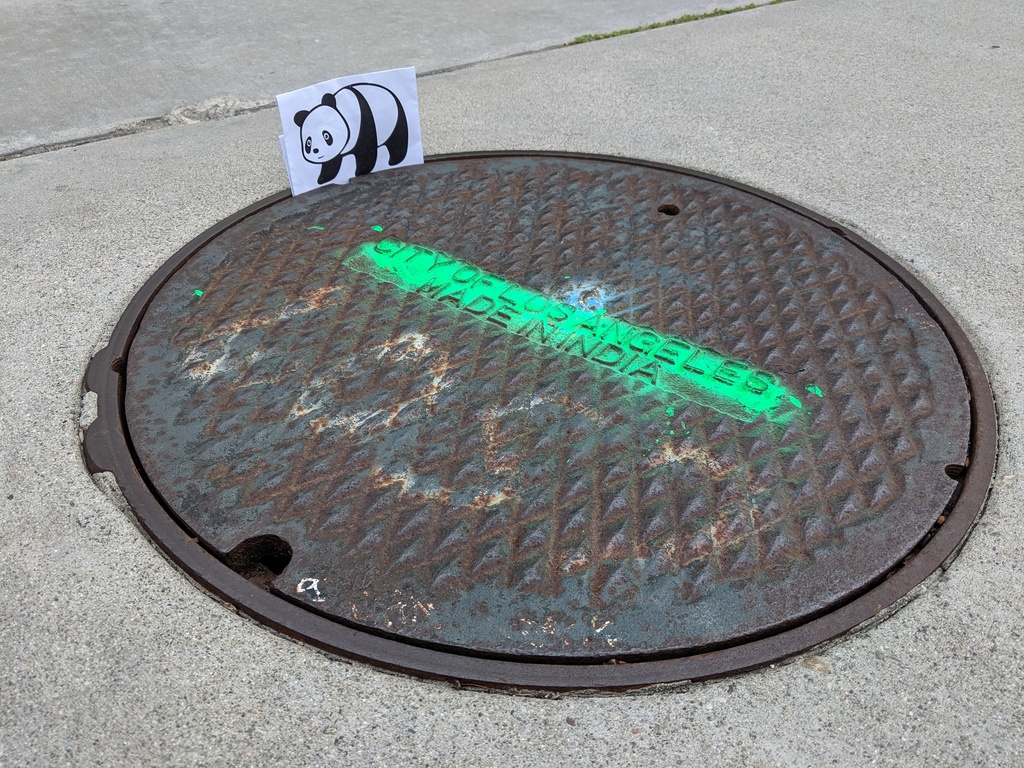
Update: The kid got in on the action as well!
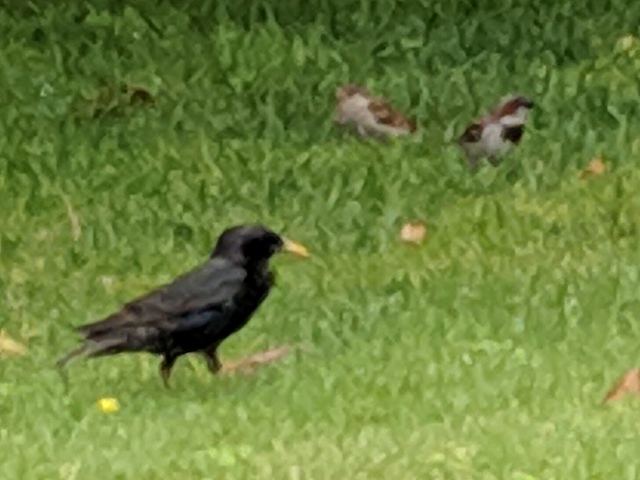
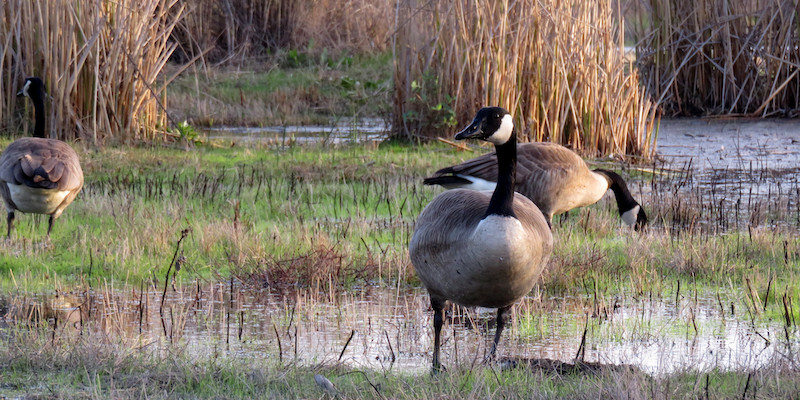
After several days not being able to see any of the birds I could hear when I went for a walk on break from work, I saw a whole bunch of them hanging out on a lawn, eating seeds or bugs or whatever it is that these particular birds eat. Of course since I’d been walking to lunch, the only camera I had with me was my phone. No optical zoom, and I couldn’t get too close without spooking them. I figured what the heck, I’d give it a shot (or several) with the phone and see if I got something clear enough to post to iNaturalist.
I didn’t, as you can see, but it’s a great example of something I’ve found fascinating about digital zoom: The way it can make a photo look like it’s been painted with brush strokes rather than captured with pixels.
Personally, I’ve never understood why digital zoom is implemented as a resize instead of just cropping to a lower resolution. Even back when the full resolution on cameras was low, I’d rather have a clear 640×480 image than a blurry 1280×960. The only reason I even enabled digital zoom on an actual camera (rather than just cropping it later on my computer) was because it made a difference to the auto-focus, exposure, etc. choices the camera would make.
I suppose it’s marketing: They promised you however many megapixels, after all!
Discussion of food allergies tends to focus on children (for a lot of reasons), but a recent study found a much higher rate of food allergies among adults than expected. They found that 10.8 percent of American adults – that extrapolates to 26 million people! — reported a convincing food allergy (based on actual symptoms reported – another 9% reported allergies, but their symptoms didn’t match the diagnosis – presumably at least some of the rest are genuine intolerances). That’s actually higher than the rate among children found by another recent study, which came up with 7.6%.
Now, my first thought on reading this was: Of course! Kids with food allergies who were counted 10, 20, 30 years ago have grown up, and we’re adults now! But it’s more than that: There’s a lot more adult-onset allergies than anyone expected to find.
The JAMA article goes into the numbers. Of those who had a convincing allergy:
More than a quarter of adults with food allergies didn’t have them as children. That’s a surprise! And it raises questions: Is there a different mechanism that triggers childhood-onset allergies vs. adult-onset? (Other than tick bites, of course.) What about those of us who had allergies already and added more? Is there some sort of saturation threshold?
There are still a lot of unknowns about food allergies. But we do know that they can be deadly serious, and they affect a lot of people.
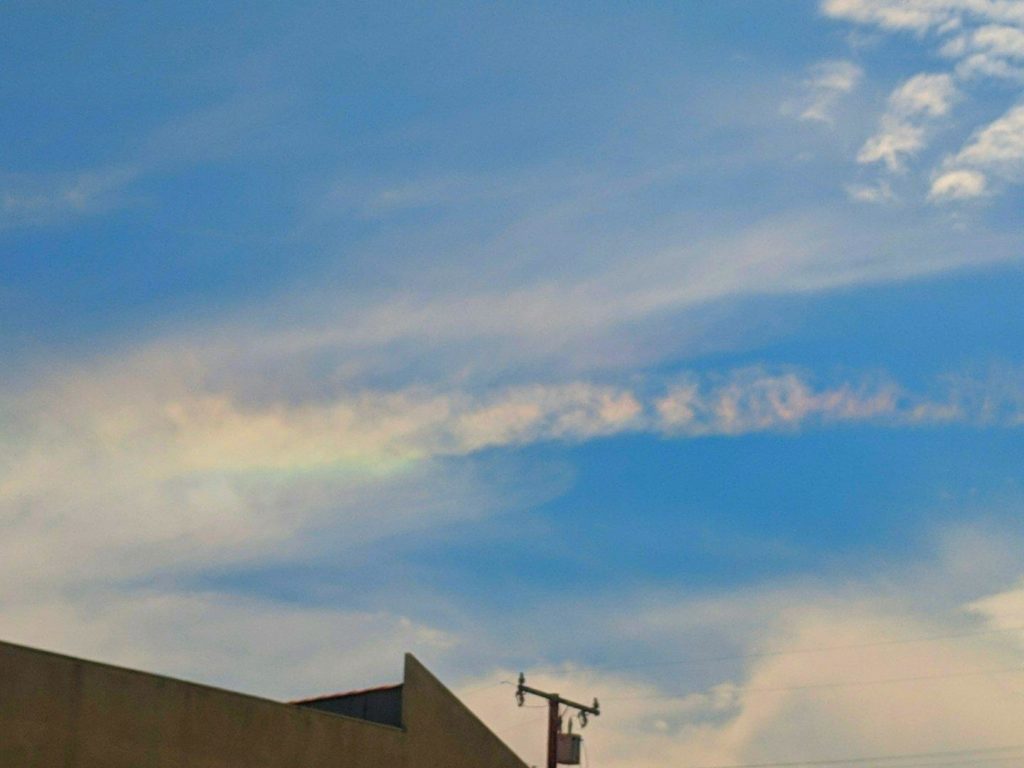
I could barely see any colors in the cloud at all without my polarized sunglasses, and when I took a photo through them, I still had to bump up the saturation.
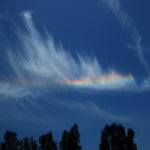
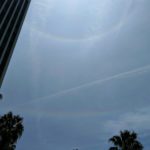 I’ve seen several of these over the years. The brightest one was nine years ago, while the longest was just last year. It’s a solar halo caused by reflections inside ice crystals (near ground level or higher up in the atmosphere) that in theory could circle the entire sky parallel to the horizon. In practice, it’s rare for ice crystals of the right shape and orientation to cover more than a small area from any given viewpoint, so mostly people see fragments of them.
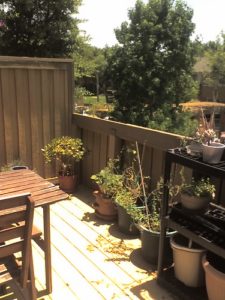 I’ve been going through old scenic photos that either never made it online or I only posted low-res versions on my blog and uploading the ones I still think are decent (or at least interesting) to Flickr. Which has got me wondering: When did I start using it?
Other social networks are easy. I signed up and wrote a Hello World post of some sort.
But the oldest photos I have on Flickr are some test posts I made from my RAZR flip-phone (remember those?) using the post-by-email gateway, in mid-2008. Before I’d even joined Twitter. I was looking for some way I could upload photos directly from my phone instead of waiting until I got home. I don’t remember how many other test posts I made and deleted, or whether there were any older ones. But that’s not important either, because…
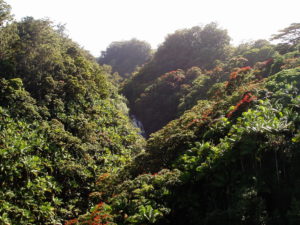 I have several blog posts where I linked to or embedded someone else’s photo on Flickr going back even further. The oldest I could find was on the batch of Hawaii photos I posted here in 2005, and just posted on Flickr a few days ago! I was looking for the name of a small valley I’d photographed on the side of the road, and found someone else’s photo from the same spot. I asked him if he remembered where it was, and he was able to look it up and give me the name.
I’m not 100% sure, but I think I may have signed up on Flickr to ask that question.
And then three years went by before I started seriously posting my own photos to the site!
Protecting the environment isn’t just about saving the planet. It’s about saving ourselves. It’s about being responsible custodians of nature not just for its own sake (though that’s important too), but so we can keep relying on it…instead of sucking the life out of everything we can like there’s no tomorrow, leaving a world that’s too inhospitable for us to live on in any sort of comfortable civilization.
Tens of thousands of years on, the planet will recover from just about anything we throw at it, as long as we stop messing things up at some point (like, say, dying back to subsistence level as famines and wars over the remaining resources kill us off). It may take longer for biodiversity to recover, but it will happen eventually, as it has after each great extinction event — though always taking new paths to replace the possibilities that didn’t make it.
But I don’t have 10,000, 100,000, or a million years to wait for things to recover, and neither do you.
I miss the optimism of the 1990s, when the message I got was “Things are messed up, but we can fix them.” Remember when we were more worried about running out of oil than about the effects of burning it? Now the message I keep seeing is, “Too late! We’re all screwed!” Especially with large entrenched interests trying to not just fight the gains we’ve made since the 1970s, but actively roll them back.
Maybe we can’t solve the problem completely anymore. But at least we can try to mitigate it a little.