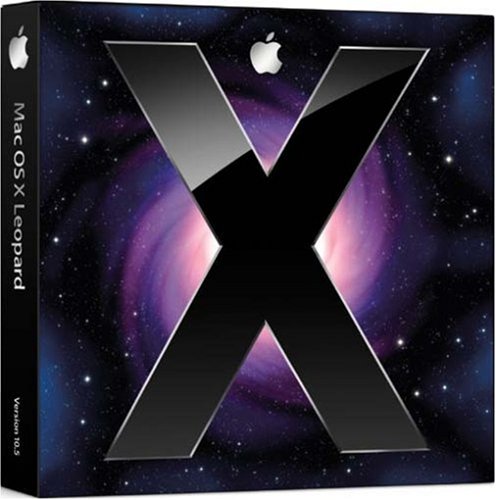
It’s funny: When Microsoft releases a new OS, my inclination is to sit it out and wait for the first service pack, usually a year or so in. When Apple or Fedora releases a new OS, my inclination is to upgrade as soon as I have the time. Even though all of them have had histories of significant problems on one release or another—the broken video driver I ran into on Fedora 7, for instance, or the firewire drives fried by one version of Mac OS X.
I’m not sure why that is. Maybe it’s trust. Maybe it’s speed of the fixes: Linux vendors will have updated packages within days to weeks. (Heck, some Linux distros have updates available by the time the ISOs go live, because a bug was fixed after the contents were frozen.) And you can count on a Mac OS 10.5.1 in a month or two. Maybe it’s the scale of problems. You risk things like broken drivers or software with anyone’s major OS upgrade, but Windows always seems to have some problem that’s bigger than just a bug fix, something that needs more time and effort to redesign. In short, something that won’t get fixed until the next service pack.
Update 2026: Sadly, this is no longer true. For the last few years, I’ve been holding off my macOS updates for at least a year, which usually means waiting until the next version after it launches. As for Windows…I put in for the extra year of Windows 10 fixes and downgraded a device from Windows 11 because the one piece of hardware I “upgraded” turned into an unusably slow mess.
Somewhere along the line I got in the habit of waiting a couple of weeks on Fedora updates to make sure third-party graphics drivers catch up, which turned out to be fortunate with the most recent release.