Wow. A study finds that only 54% of patients experiencing an anaphylactic episode requiring an ER visit or hospitalization get an epinephrine prescription within a year, and only 22% visit an allergist or immunologist in that time. (via this week’s FARE newsletter)

The article treats this as an education/compliance issue, but I have two big questions:

  1. How many of these patients discussed the incident with their regular doctor? It’s possible that more than 22% followed up with a doctor, just not with a specialist.
  2. How does insurance coverage correlate? If you don’t have insurance, it’s expensive to see a specialist, and expensive to get an Epi-pen (though there are generics now that are a bit cheaper)…especially after you’ve just received a bill for thousands of dollars for the emergency room.

Regarding #2, the study looked at “healthcare claims,” so if I’m reading that correctly, they may have only looked at people who do have insurance. If that’s the case, I wonder if it would be possible to break it down by type of insurance: HMO vs. PPO, do they charge a higher co-pay for specialists, etc. Our current system could do a lot more to encourage preventative care.

For the record: The first thing I did when I got home from that San Diego trip was to order a replacement Epi-Pen, and Monday morning, I called up my allergist to schedule an appointment. But then, I already had an allergist, a prescription, and insurance.
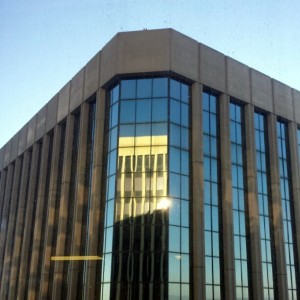
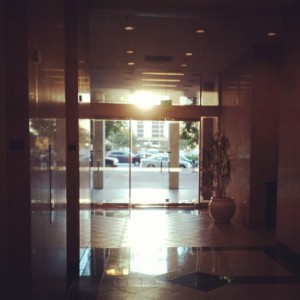
Buildings reflecting the setting sun Reflected sunset in the lobby

Monday afternoon I noticed the sun was still shining into my office window. This was a bit odd since my window looks out at another building, and the sun had already sunk behind it.

I looked, and it was reflecting off the building I was in, then reflecting off the building across the way.

Later that evening, I stepped out of the elevator to the sight of sunlight streaming into the lobby from the east.

Wait, east? At sunset?

You guessed it. Once again, it was reflecting off another building.

This part of Los Angeles is built on a North/South and East/West grid, and with the autumnal equinox approaching, it’s lining up just about perfectly with the shiny reflective buildings.

It also aligns perfectly with the mirrors in my car when I’m driving east at sunset. The triple sun is almost worse than driving straight at it.

It’s no Manhattanhenge, but it’s still interesting. One of these days I’ll look up the grid alignment for downtown LA (it’s diagonal) and try to recapture a moment from a few years ago, when I was in exactly the right spot for the sunset to light up all the towers bright orange. That was awesome

Allergic Living has advice on how to respond to a severe allergic reaction, particularly when to administer epinephrine and seek emergency medical treatment.

At first she didn’t show any symptoms and her mother gave her a dose of antihistamine; but in 20 minutes the systemic reaction began. Her father, a physician, gave her three doses of epinephrine, but it wasn’t enough to stop the rapid-fire chain of events. She began vomiting, her throat swelled to the point where she could no longer breathe and she went into cardiac arrest. She died in his arms.

Natalie’s story has spiked fears among Allergic Living’s readers, in particular parents of children and teens with food allergies. It has also raised questions about just what to do in case of an accidental allergen ingestion, so we turned to two experts for answers.

The key takeaway: you can’t always be sure a mild reaction will stay mild, because it takes time for the body to absorb the food. I was fortunate enough to survive learning that lesson, exactly one week before Natalie Giorgi’s death. All I lost was an afternoon and the $200 co-pay for the emergency room. It could have been so much worse.

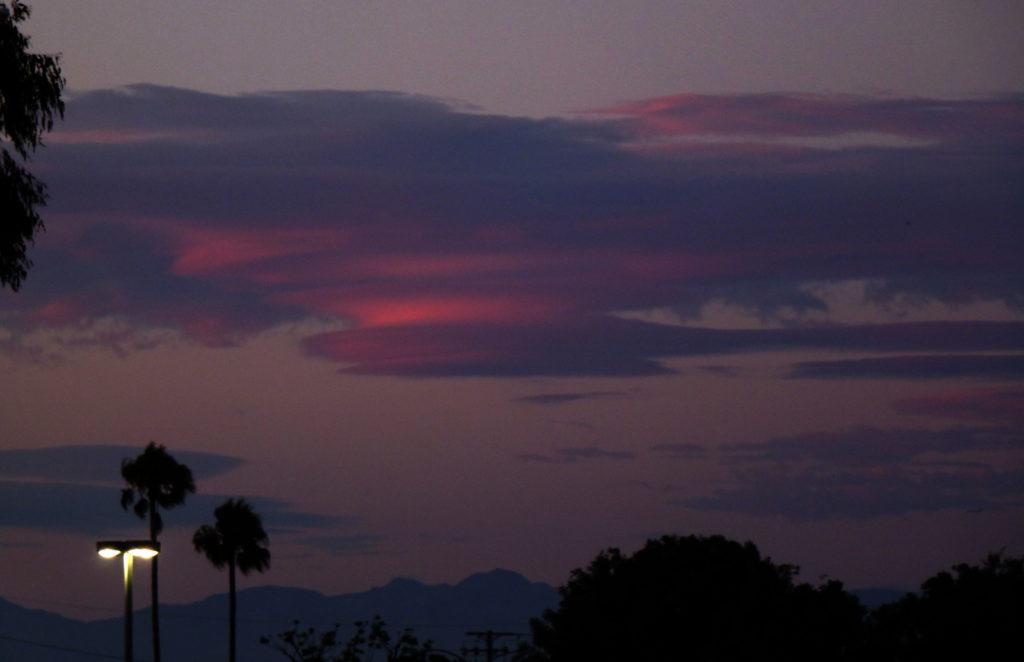
Crimson Saucers: Lenticular clouds at sunset.

Out of pure luck and timing during last night’s errands, I saw this amazing view of lenticular clouds over the San Gabriel Mountains, lit up red from the side by the sunset. I knew the phone couldn’t capture it, and ran back to the car for my camera. Even that came out awfully grainy, but the colors and shapes are intact.

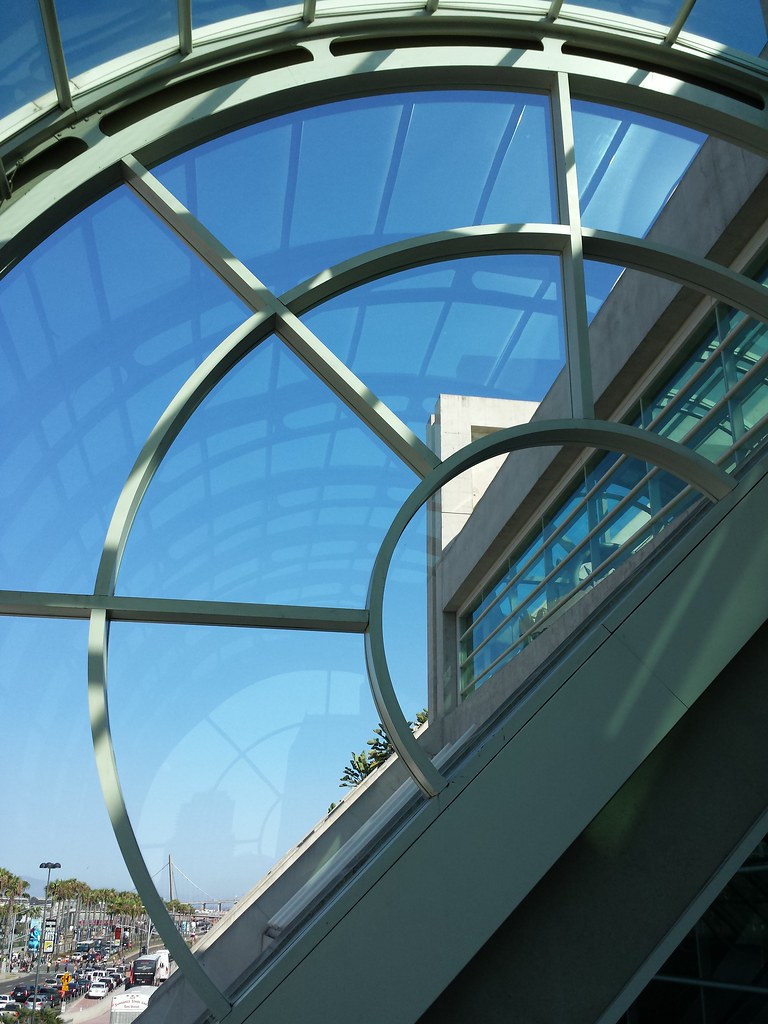
Circular window with concentric circles and spokes, seen from below and to one side.

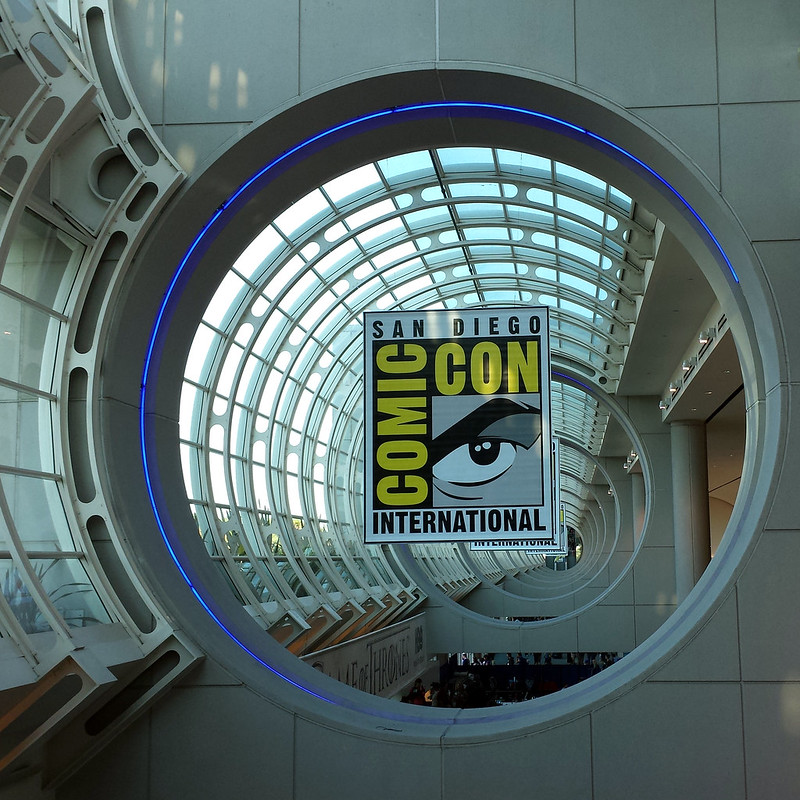
Partway down the central escalator at the San Diego Convention center, you can look down the long cylindrical skylight that makes up the roof of the lobby, rings forming the appearance of concentric circles. Years ago, a friend of mine referred to it as the Death Star Cannon shot, and it’s a popular one to take, both during Comic Con and at other events.

Looking along a long, semi-open tube in a building, with the Comic-Con banner in the center.

At this year’s Comic-Con International, I found myself looking at the windows surrounding the stairs instead. My first thought was to mix things up with the classic cannon shot, but when I got home and looked at the results, I realized: This really does resemble the windows in the Emperor’s throne room. It’s still a Death Star shot, but a different part of the station!

If you’d like to see more photos or read more about my experience at the convention, check out I Survived Comic-Con 2013.

»All pages site-wide with this tag