I use extensive filters on Gmail to categorize mail the way I want. I pre-filter some things to look at later, prioritize some lists (like allergy or uptime alerts), and pre-categorize things that I may want to file away after looking at them.

The problem is, I can only change filters on the desktop site. When I’m reading on my phone, I need to remind myself not to archive or delete messages that I want to start filtering.

It occurred to me: I can label those messages “Change Filter.” I could even do it right away – there’s a “Manage labels” option on the Android app!

Nope!

I can’t add labels in the app, just change the download and notification settings for each.

So, website then…

Except I can’t get at the full Gmail website on my phone. Or my tablet. Google insists on showing a stripped-down mobile site, which has even fewer capabilities than the app.

I can’t fault them for starting with the mobile site. It is helpful to focus on the features that work best on small touchscreens, under-powered processors, and high-latency, low-bandwidth networks, and can be done by someone on the go, rather than someone sitting at a keyboard with a big screen and a mouse.

But if someone wants to use the functionality you’ve left out, and is willing to slog through the desktop site on their phone or tablet, you should at least let them get at it!

In this case I waited until I could log in on a desktop, then added the label. But not everyone with a phone has a desktop or a laptop. And as the balance keeps shifting towards phones as people’s primary internet access device, that’s going to be more and more common.

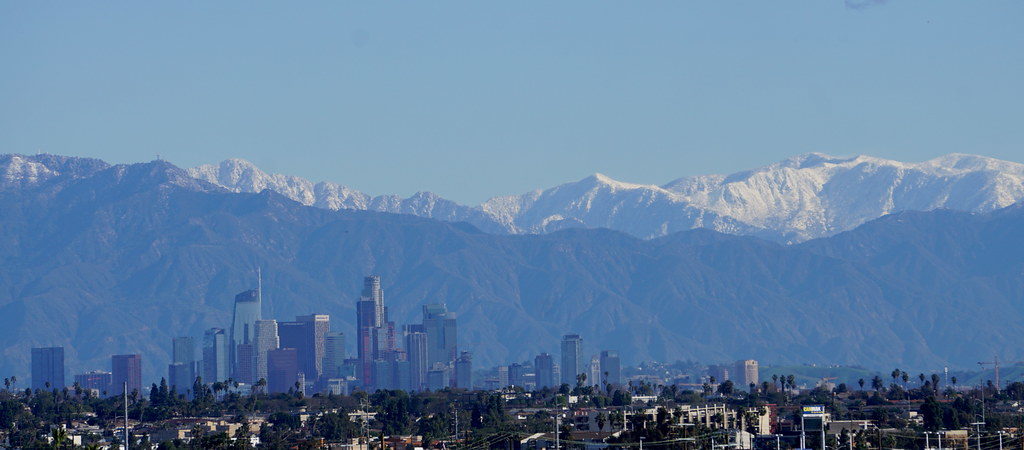
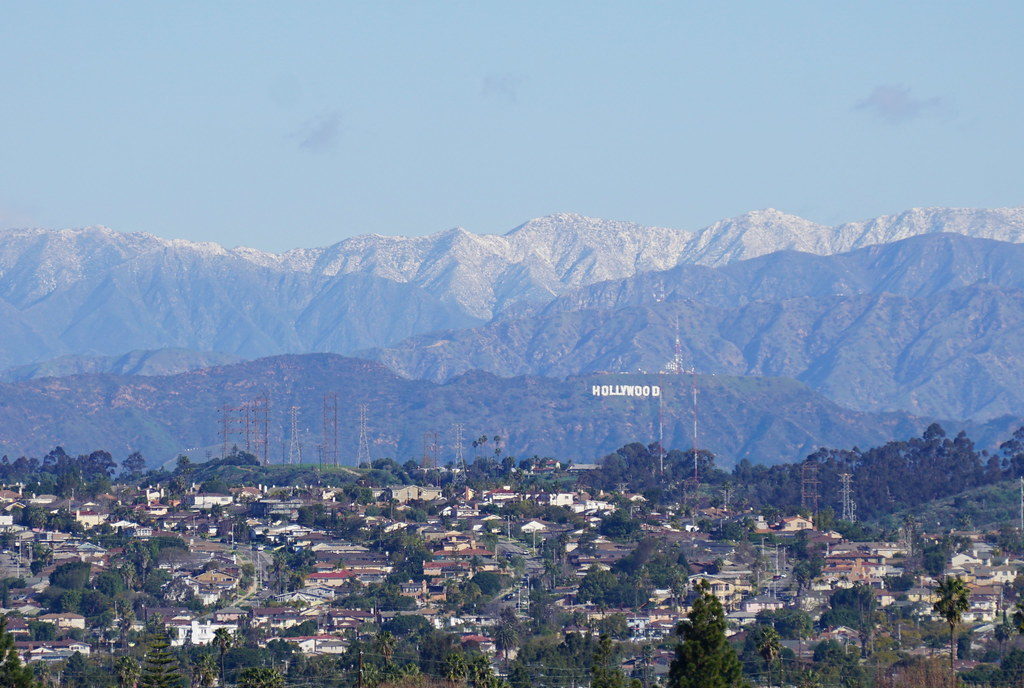
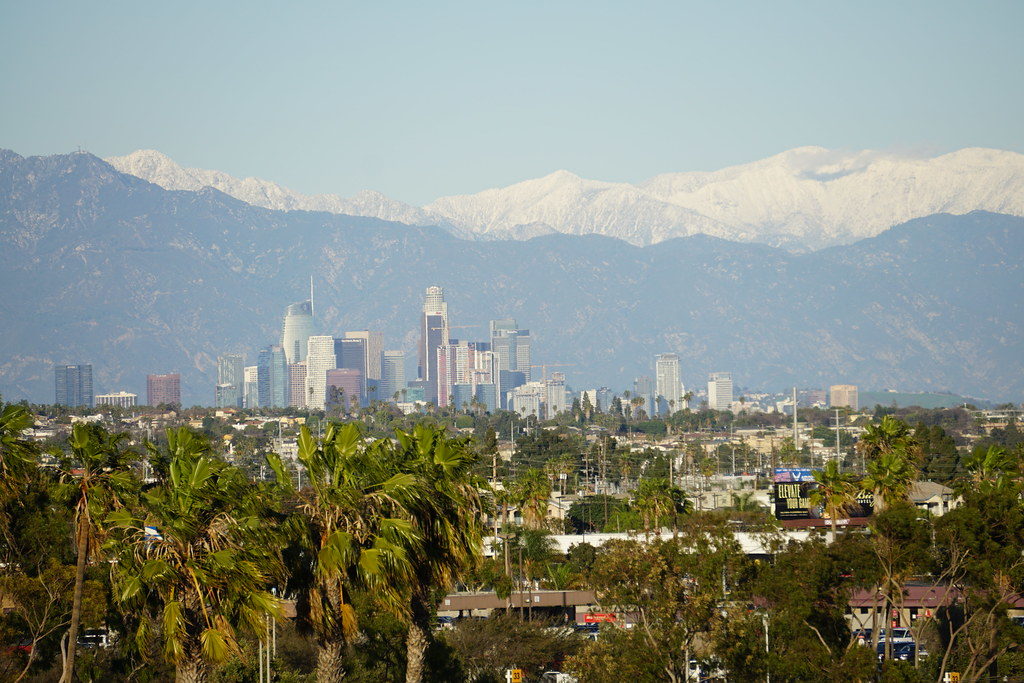
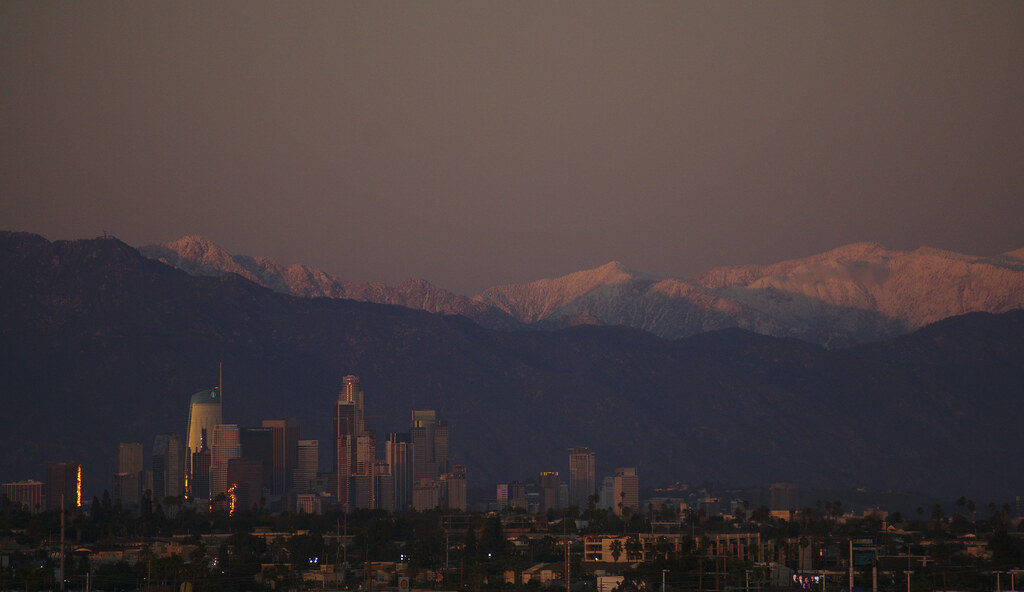
Four versions of the same photo.

  • One taken with my phone, which has a deep depth of field.
  • One automatically “enhanced” by Google from that phone photo.
  • One taken with my phone in portrait mode, which simulates a shallow depth of field.
  • One taken with my ancient film SLR camera, with a low F-stop to have an actual shallow depth of field.

We got the negatives and scans back from the two rolls of film we shot with the old manual film camera. Despite the damage to the case, it seems to still be light-proof, as the second roll of film came out about as well as the first.

It was an interesting experiment. We mostly took night/indoor photos with the tripod and handheld photos outdoors in daylight. He’s not used to focusing, so a lot of his photos are blurry. The light meter app on my phone seems a little off in sunlight, so our outdoor photos are all either over– or under-exposed. (The zinc-air batter has since shown up, so with luck we’ll be able to get more accurate light readings with the next roll.) But it gave some of the photos a retro feel.

Here are a few of the better shots, plus one of the light-polluted, smoke-filled skies of Los Angeles with enough stars to recognize Cassiopeia.

Over at Key Smash!, I’ve been helping beta-test the Pterotype plugin to hook up a self-hosted WordPress to the Fediverse. It gives WordPress an ActivityPub presence, so new posts and comments can be seen in Mastodon, Pleroma, and other ActivityPub-powered networks, and replies from those networks can come back as comments.

But Key Smash! is a simple test case. It’s at the top of the site, there’s no caching, it’s only got a handful of posts, and it hasn’t been bombarded by spammers for years.

So I’ve installed it on here. Older posts won’t federate, but new ones (starting here) should, and replies should show up as comments. With luck they’ll land in the moderation queue instead of the spam queue.

You may be able to follow the site by searching for this post’s URL in Mastodon/etc. Maybe. I need to report a bug in the handling of sites that aren’t at the top level: To find the site I need to search for @blog@www.hyperborea.org/journal – the first time. Then that search stops working, but I can find it at @blog@www.hyperborea.orgjournal instead. But that only works after I’ve searched for the first one.

Well, that’s part of why I set it up here: to help beta test.

Update: Submitted the username/discovery issue to Github.

Update: You can now follow the blog directly at @blog@www.hyperborea.org

Update (Dec): I turned it off temporarily due to spam problems. Spam comments were visible through ActivityPub, and couldn’t be deleted due to a FK constraint on the Pterotype tables.

Update (2019): Pterotype appears to have been abandoned. 🙁

Google has a new camera mode on its Pixel phones called Night Sight, for handling low-light conditions. The short version is that instead of taking a long exposure, it takes a series of short exposures and stacks them to avoid motion blur from hand movements (plus a lot of additional processing). The long version is fascinating.

My Pixel 2 already takes better low-light photos than I would have expected, but I couldn’t wait to try out the new feature when I learned about it. When the updated Camera app finally hit the Play Store, I had to give it a try.

Two high-rise office buildings at night.

This is adjusted slightly to keep the colors from being too light. And it actually isn’t the best example, as it turns out the nighttime city scene already has enough light for the existing HDR+ mode. I’m going to have to try it on some darker scenes somewhere, but it’s still pretty cool. After the cut I’m posting a version with the phone’s regular mode, and the unaltered Night Sight photo. You can see they’re pretty close, but the Night Sight version picks up a bit more of the color, and it’s a little brighter.

Continue reading

A couple of weeks ago, the almost-8YO found my old manual SLR camera – the 1967 model my grandfather gave me. I bought some film, and picked up a light meter app while waiting for the battery to arrive (the light meter is the only powered part of the camera), and I showed him how to load the camera, focus, choose the shutter speed and aperture, etc., and the two of us shot a roll of film, trading off between us.

As I showed him how to unload the camera, I managed to knock it off the table, where the open camera crashed to the floor.

I couldn’t believe it! This camera is older than I am, and I was fairly certain it still worked…until we shot one roll of film!

Amazingly the lens didn’t break, and nothing seems to have damaged the shutter mechanism either. The only thing that I’ve noticed is that the door in the back of the case is bent slightly. I can still close it, but I have to shift it about 1/8″ to do it. I hope it’s still light-proof…

We shot another roll of film, again taking turns, and tomorrow I’m taking it into a photography store to get them developed. I really thought the slow turnaround would be frustrating to him, but he’s finding it fascinating.